Techniques and Products
Precision and quality
Our suppliers in Europe, China, and Malaysia manufacture high-tech components, including surface treatments, in small, medium, and large series. Our production partners are leading suppliers within the metal industry, each with their own expertise.
They are reliable partners who offer consistent quality at competitive prices. We work exclusively with certified companies that have been thoroughly assessed by us in advance.
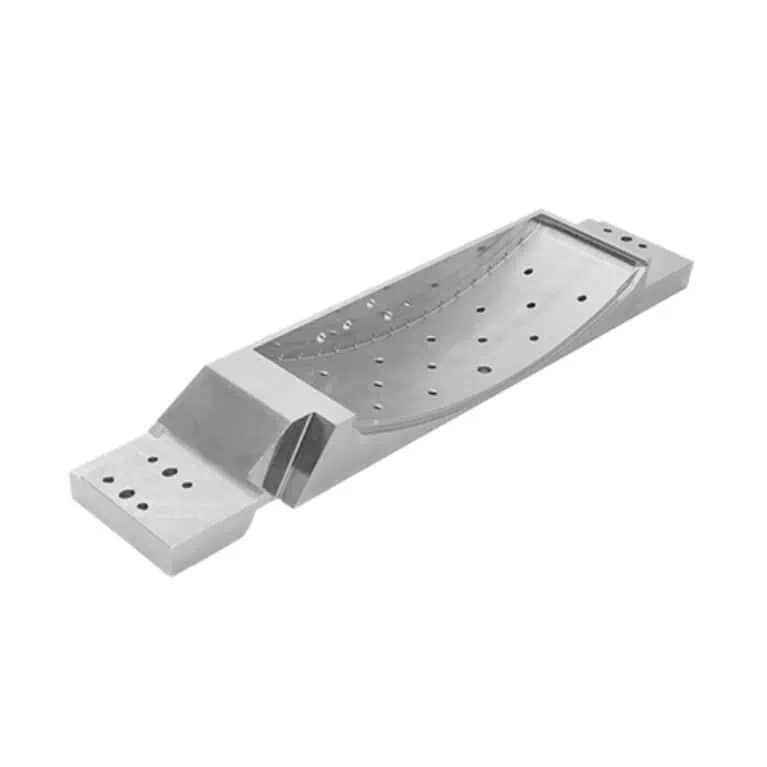
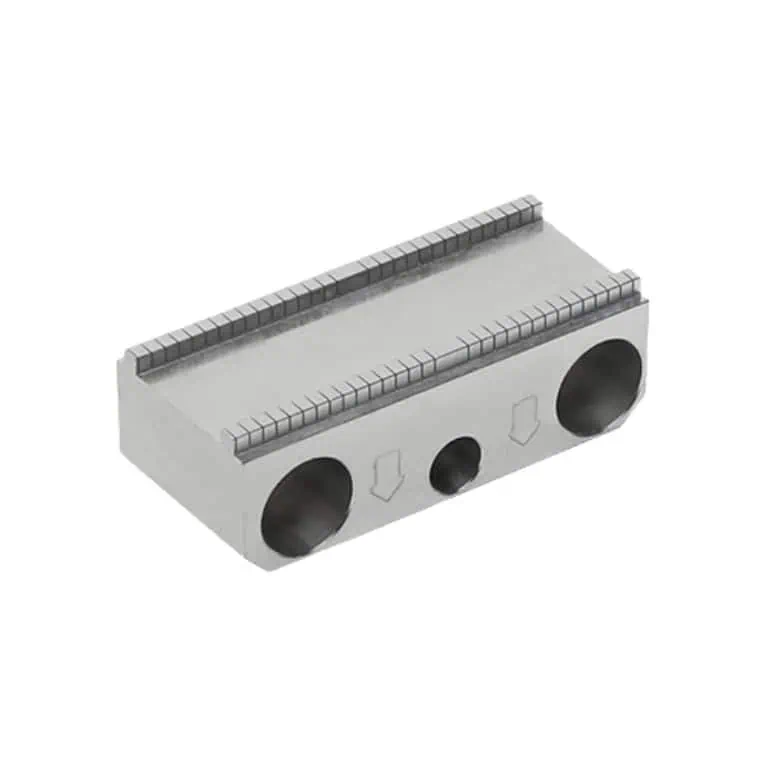
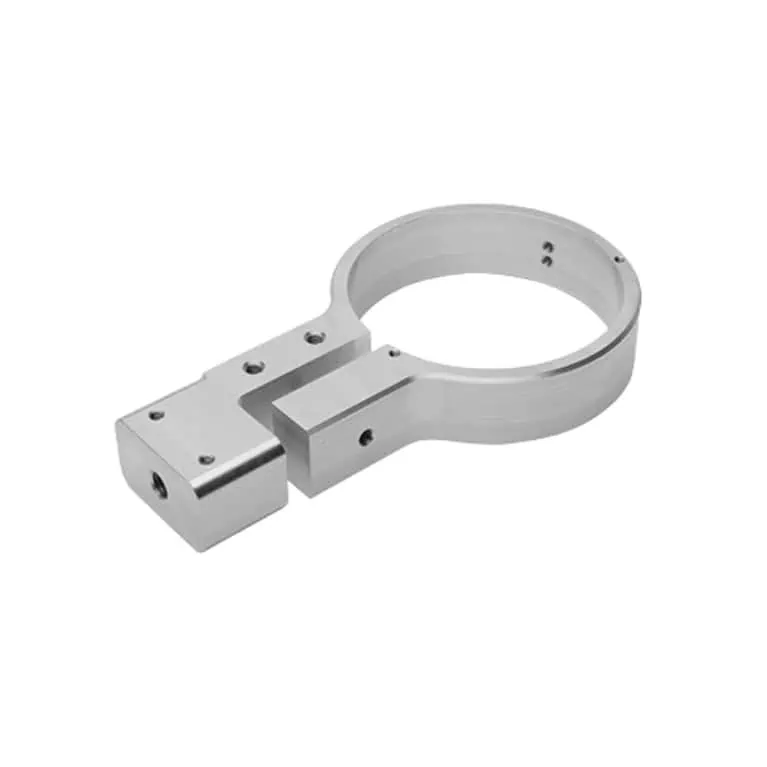
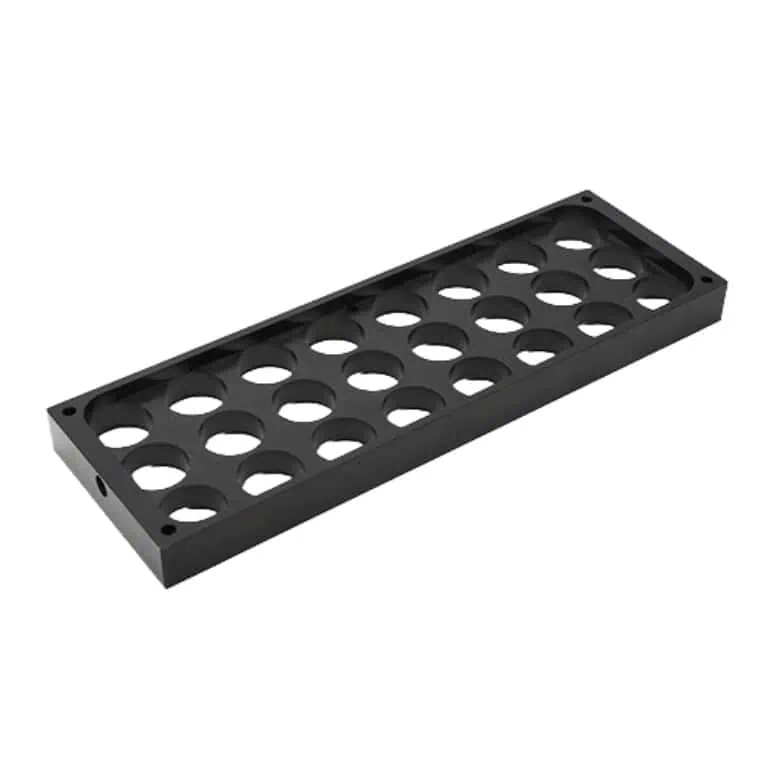
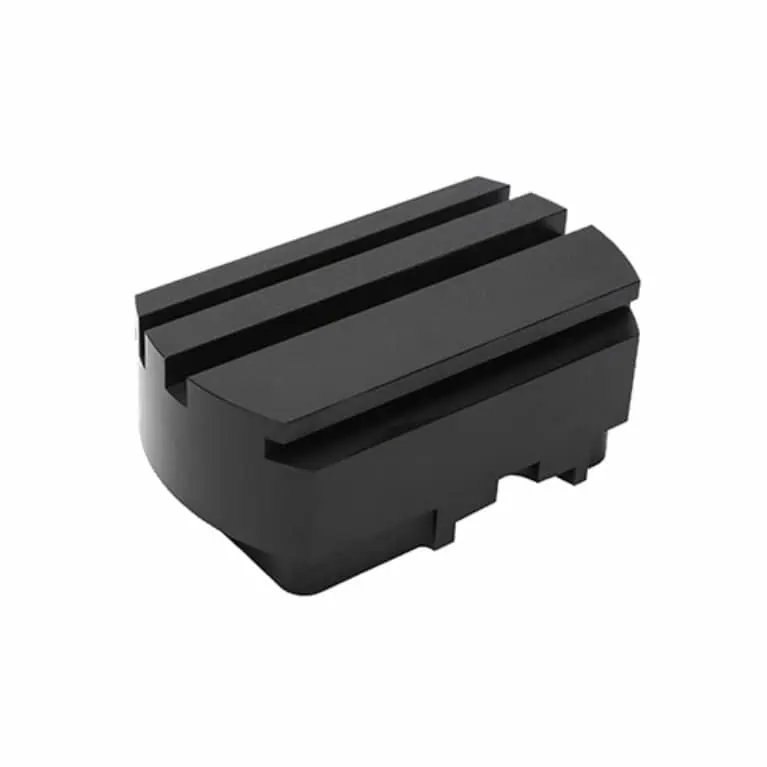
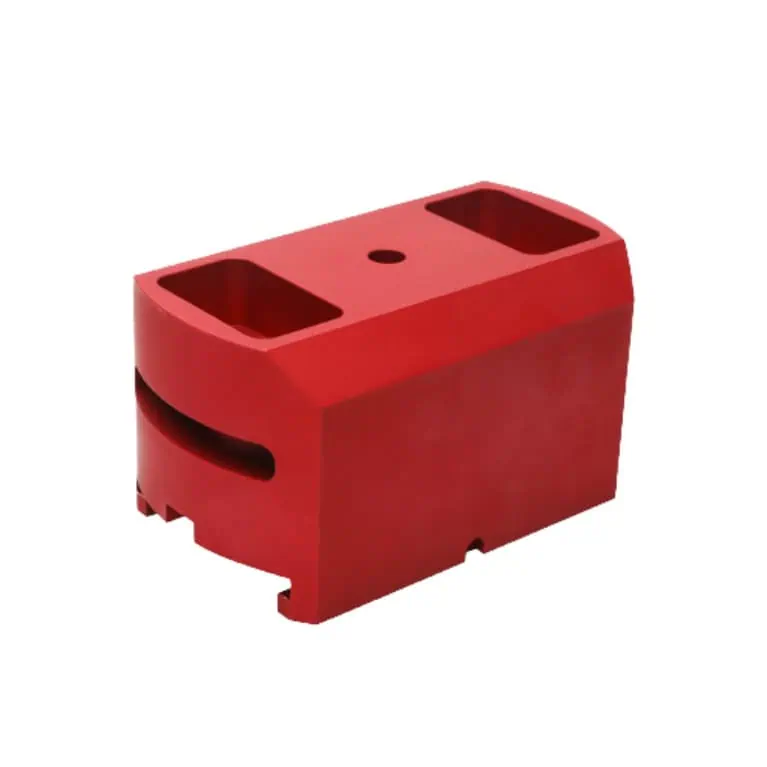
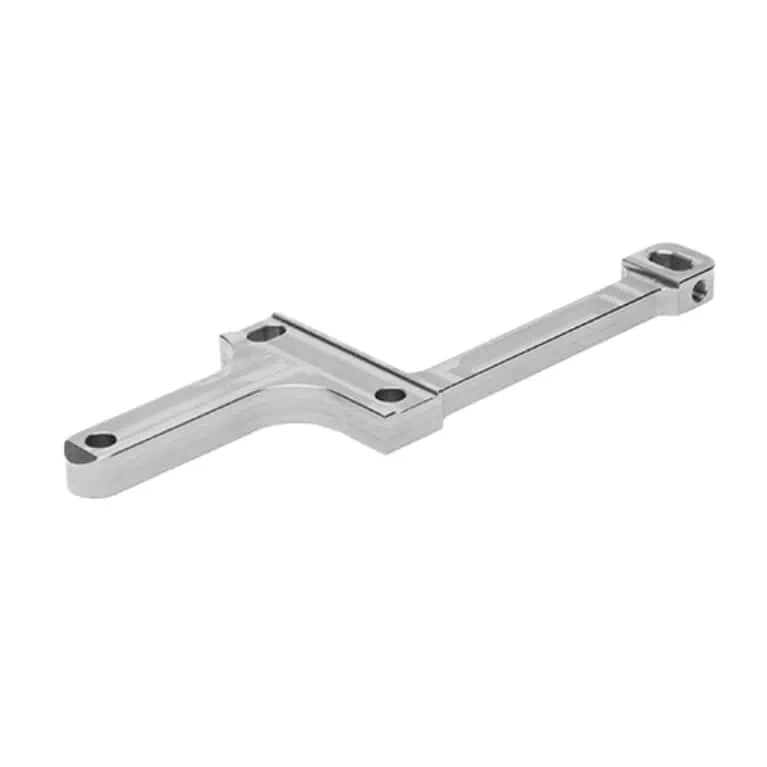
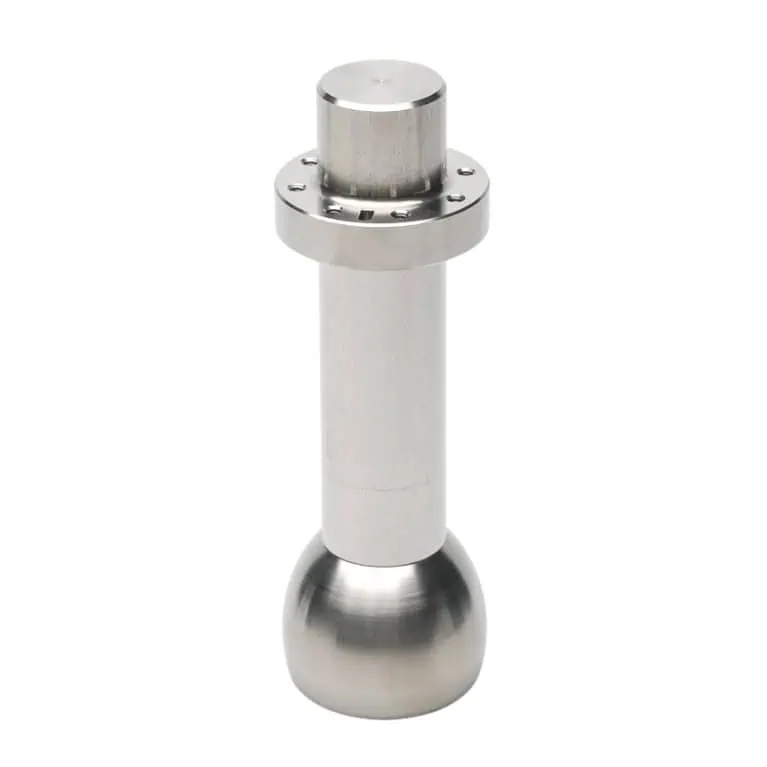
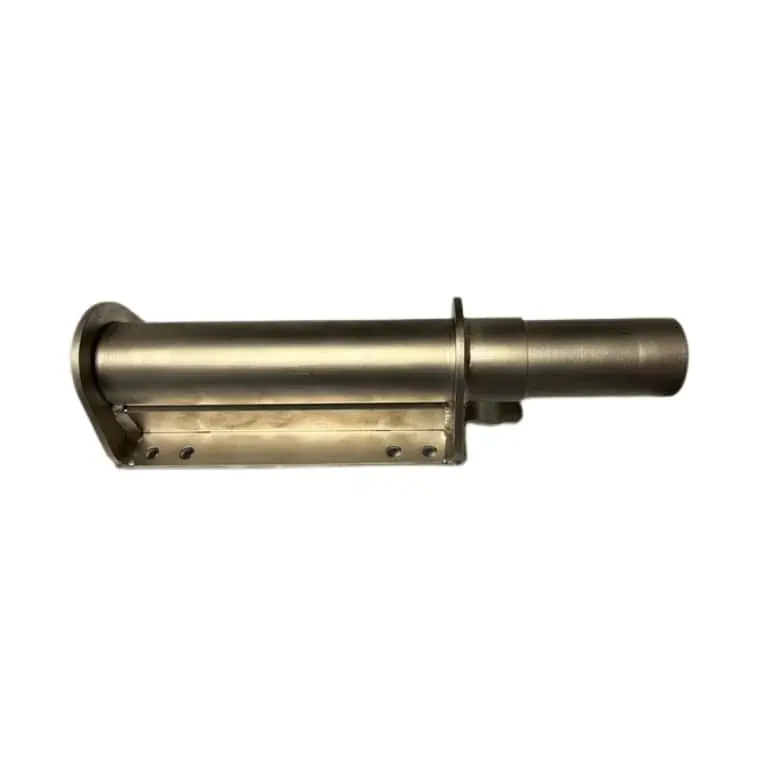
Machining
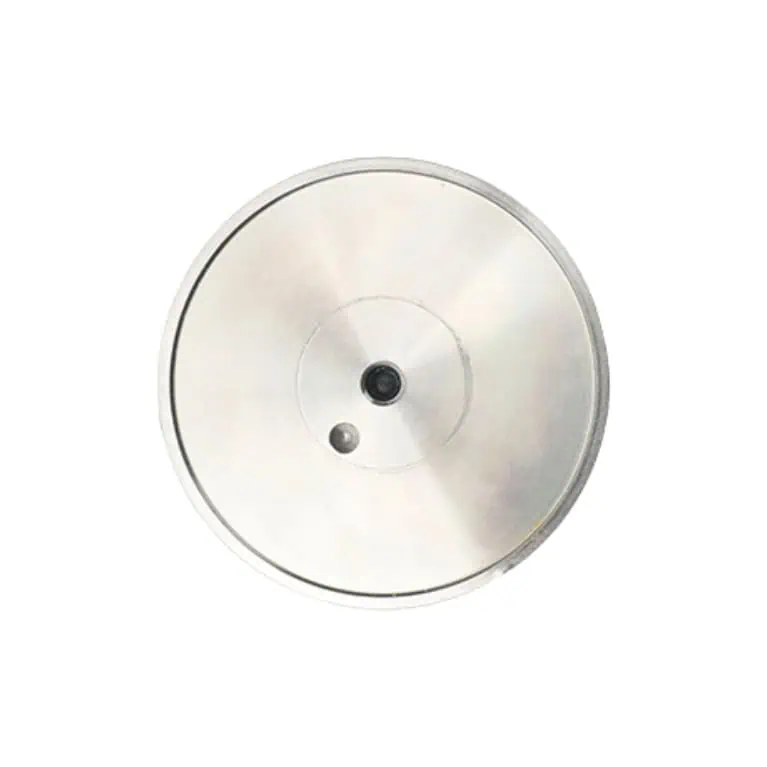
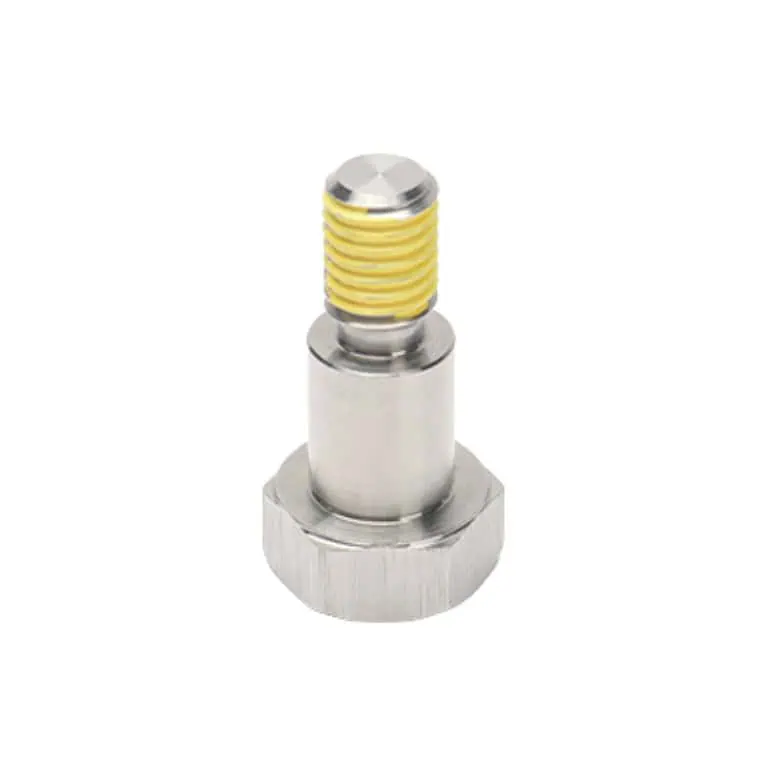
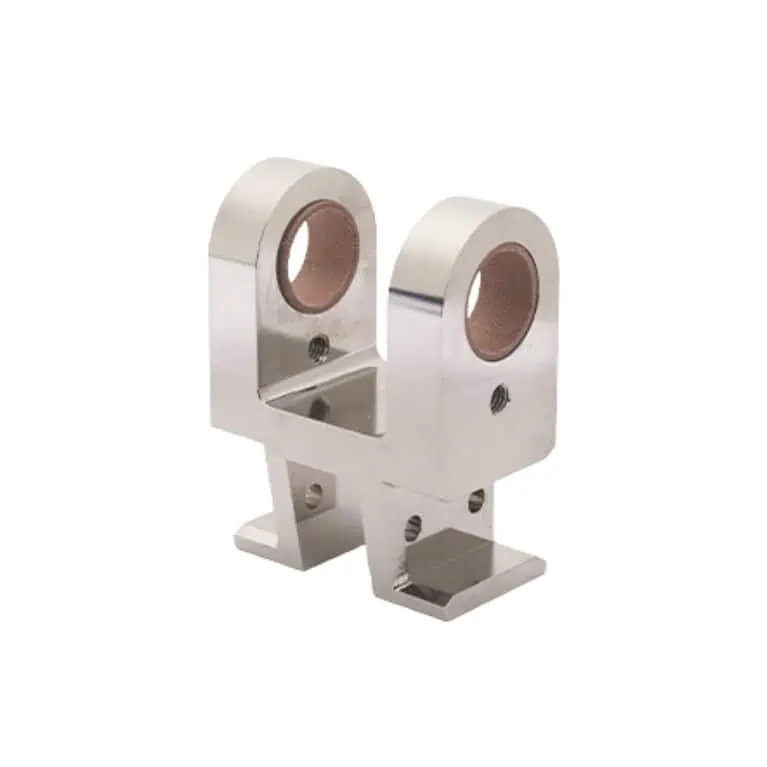
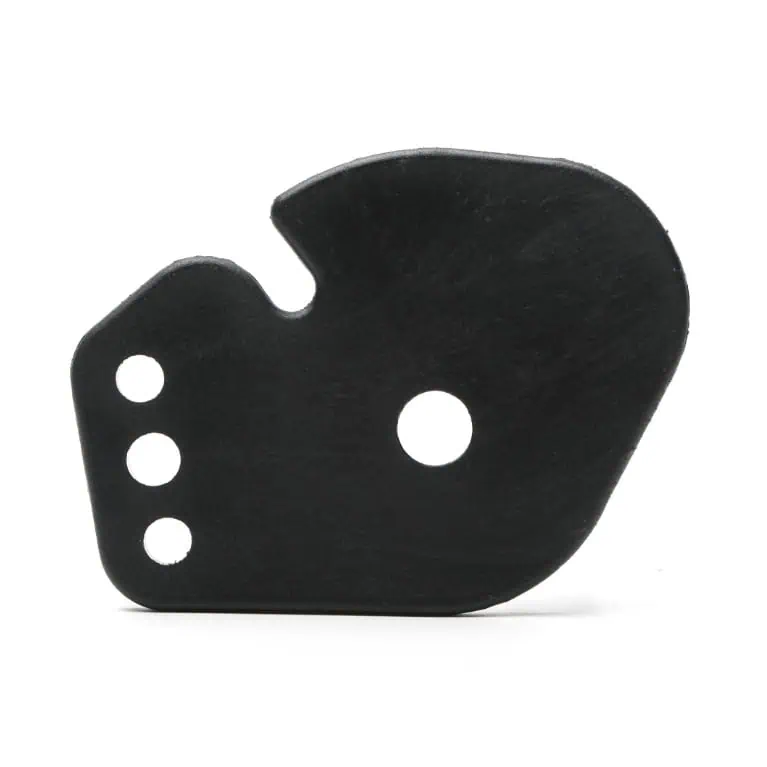
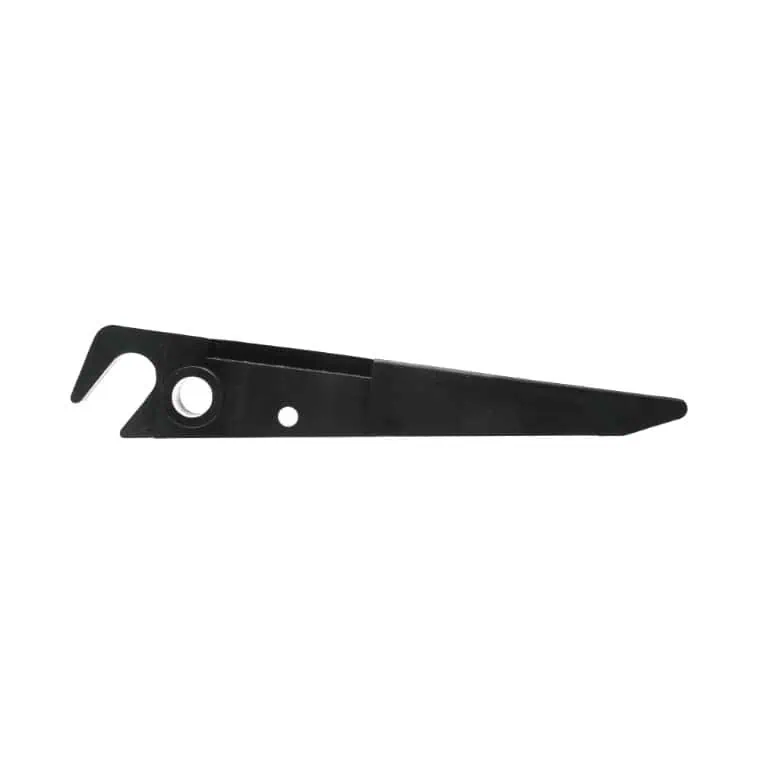
High mix, high precision for complex or less complex parts made of aluminum, steel, copper alloys, and engineering plastics. Including anodizing, galvanizing, nickel plating, etc.
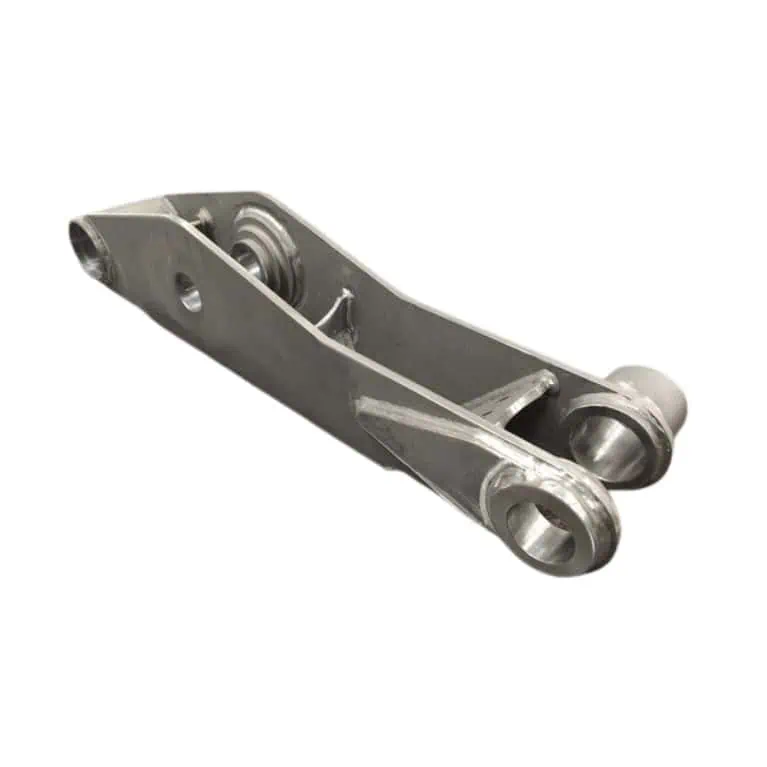
Welded structures
Small and medium-sized welded structures, including post-processing and surface treatments, delivered to you just in time.
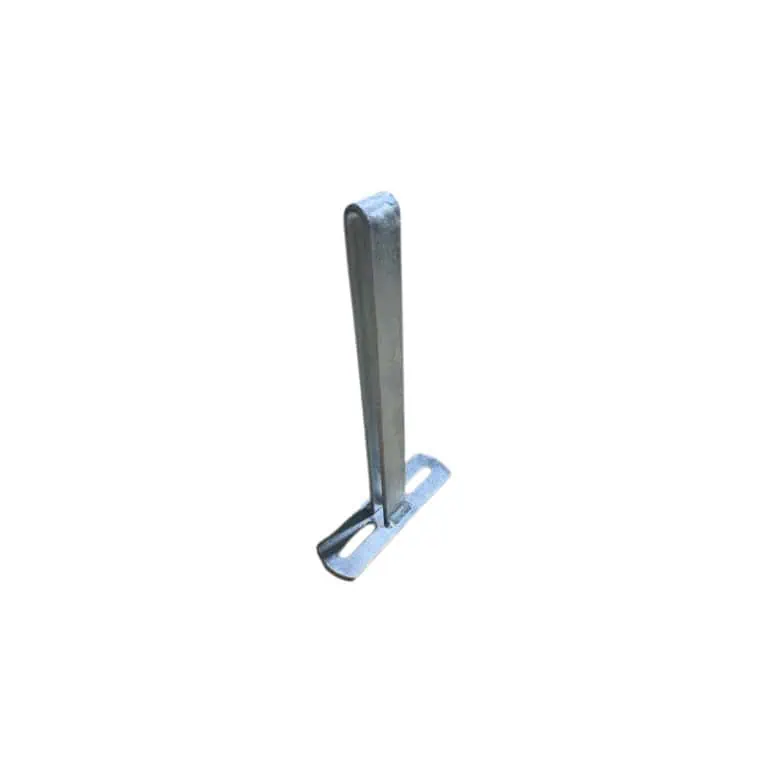
Sheet metal work
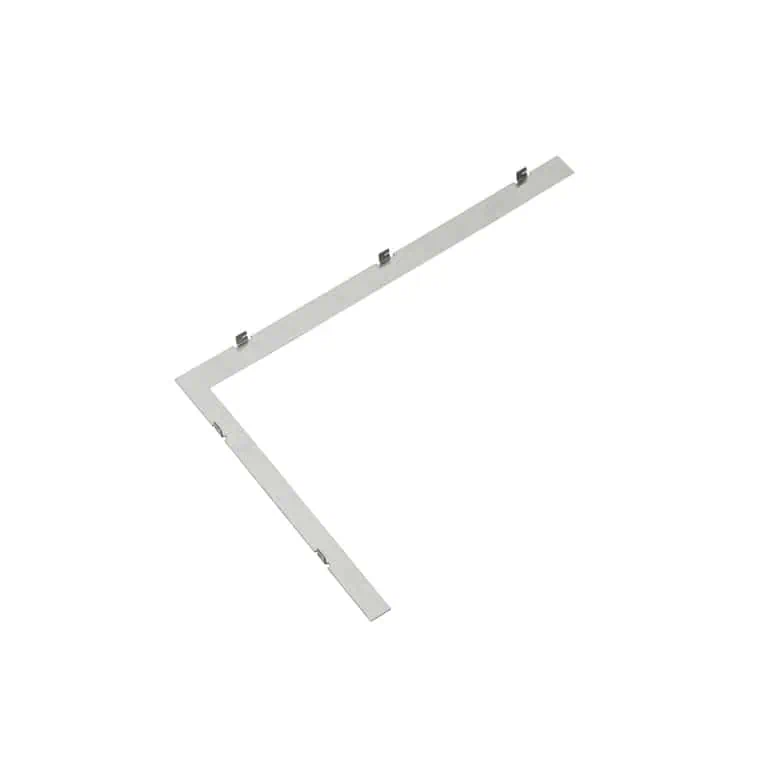
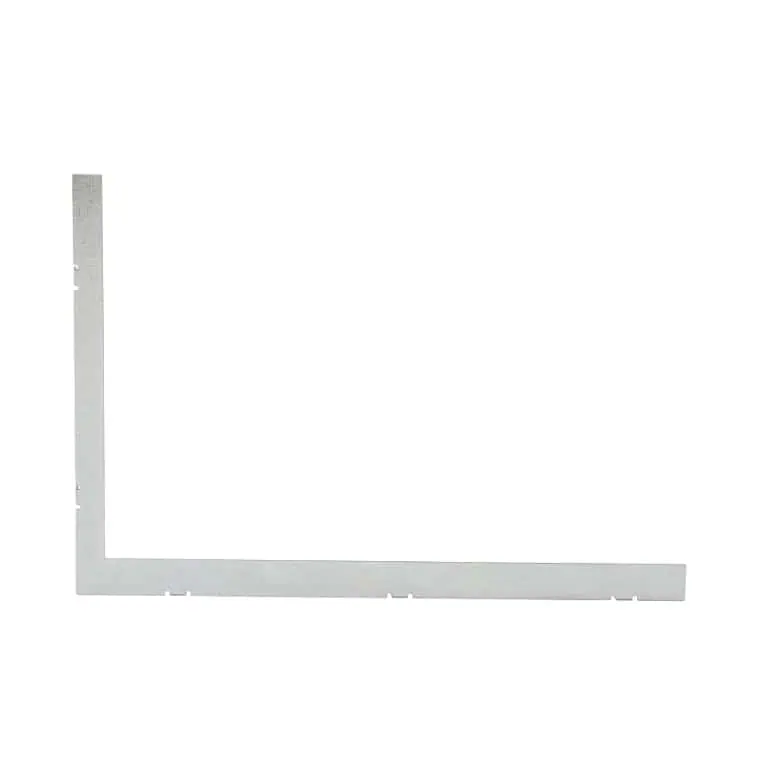
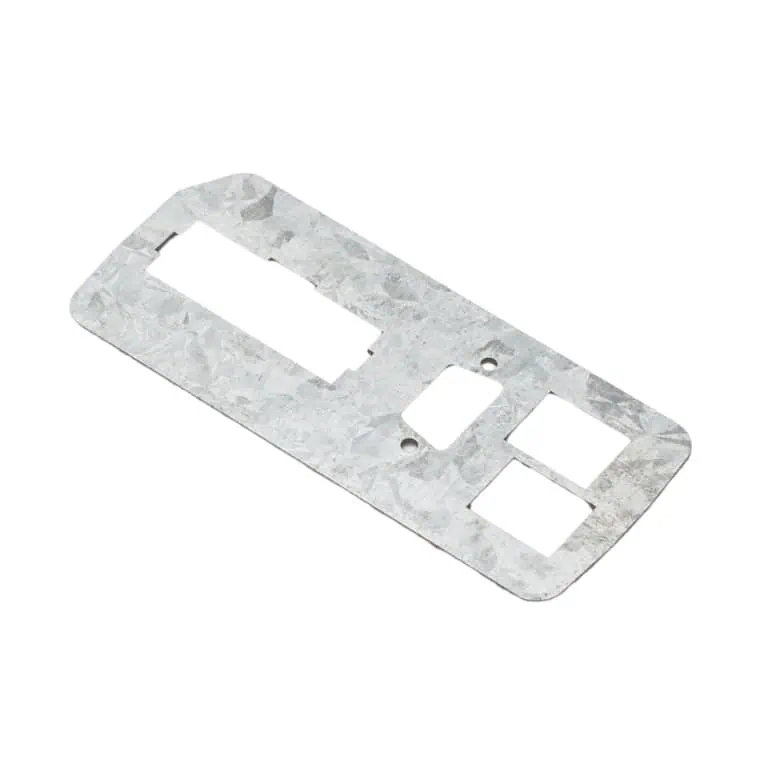
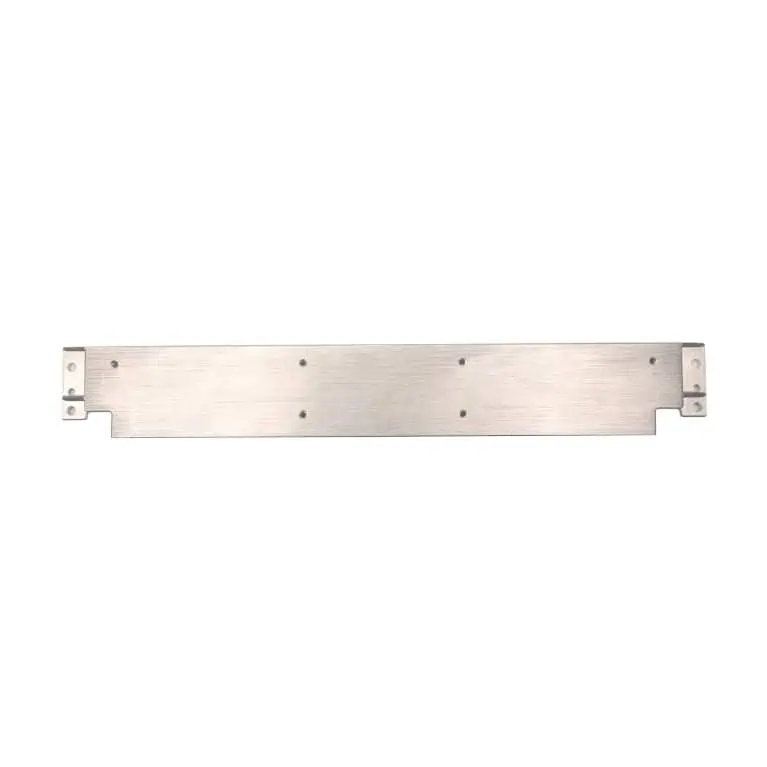
From universally produced items using laser cutting, bending, etc., to stamped products including welding. With all possible surface treatments such as KTL coating, powder coating, anodizing, etc.
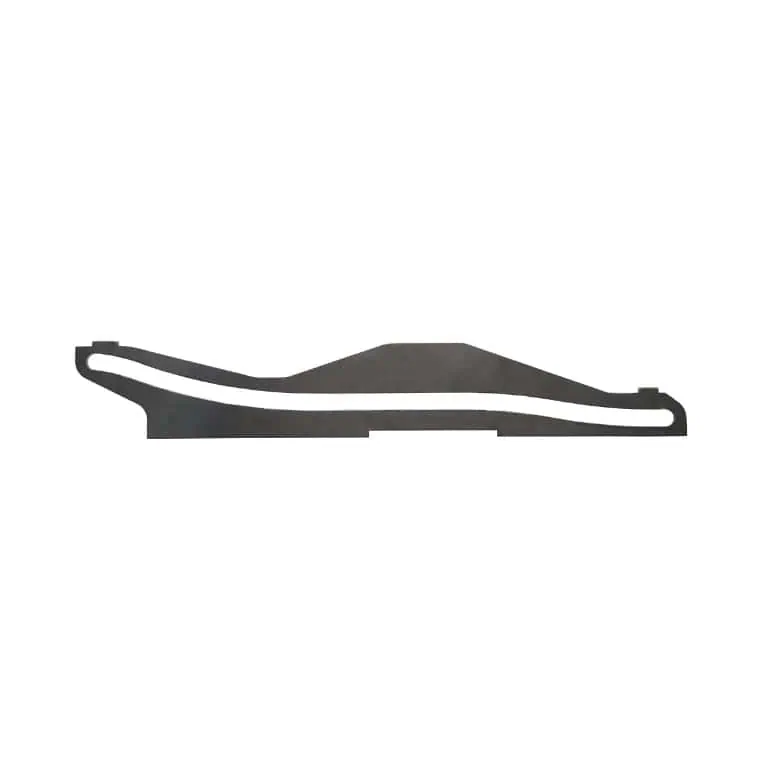
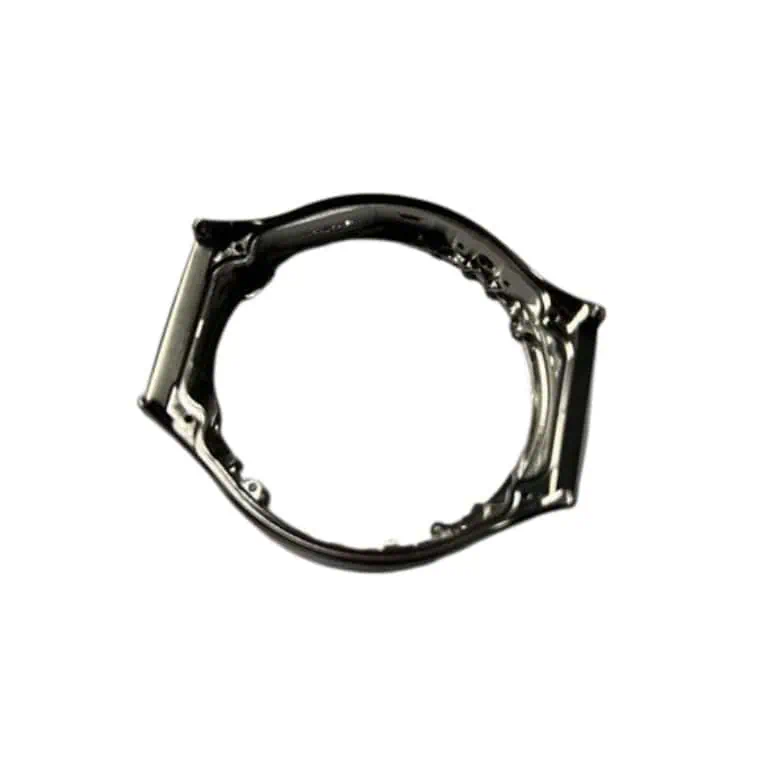
Metal Injection Moulding / Powder Metal
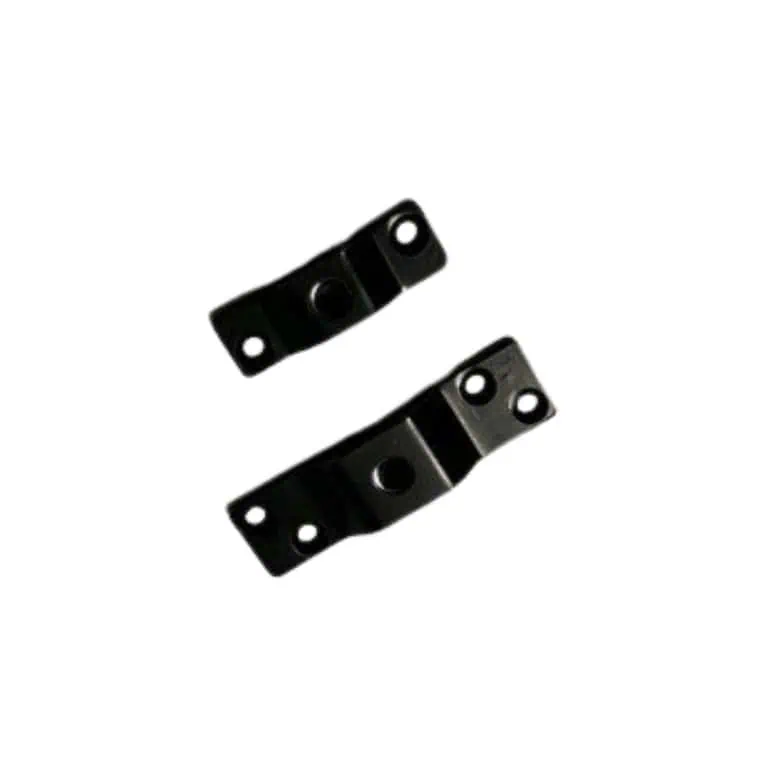
Complexity and precision: MIM enables details that would otherwise be difficult to produce at acceptable costs. High-quality finishing (aesthetic parts) possible. Powder metal can provide significant savings compared to other techniques.
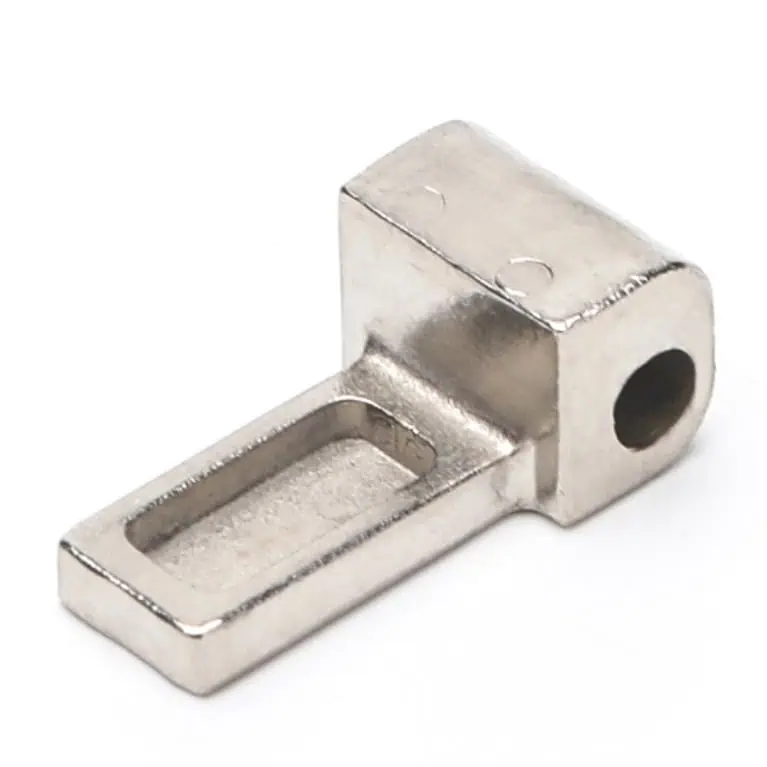
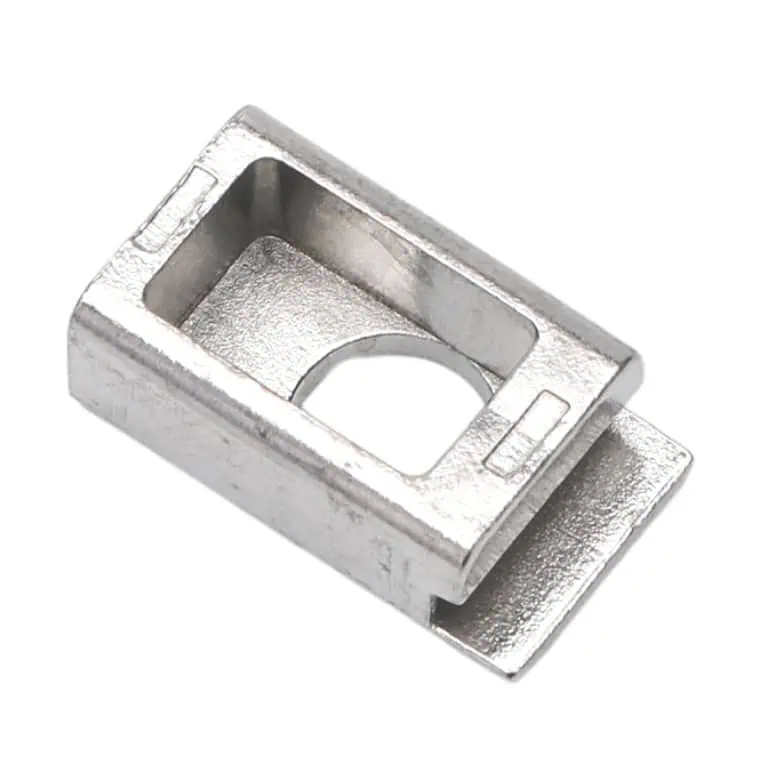
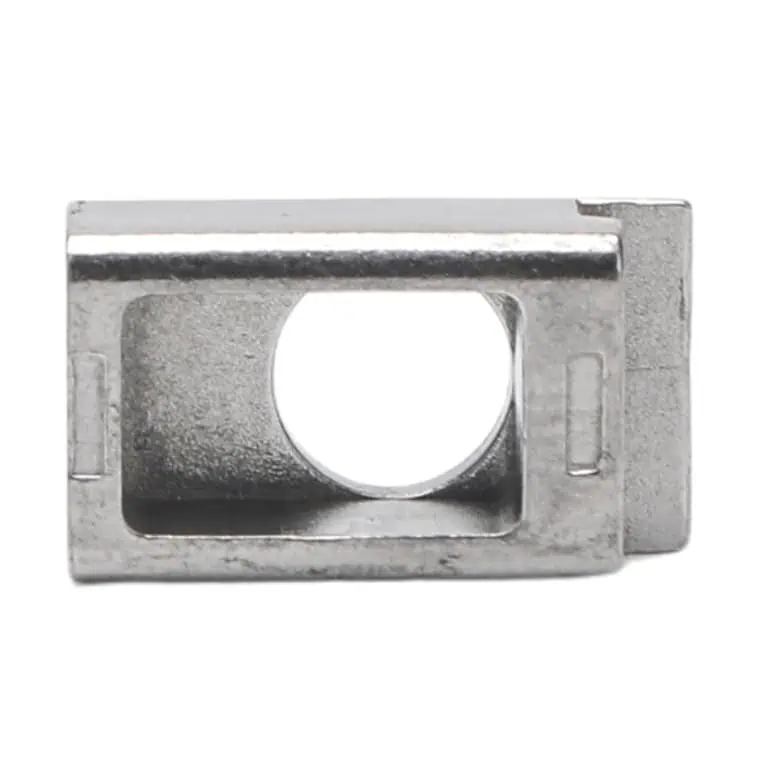
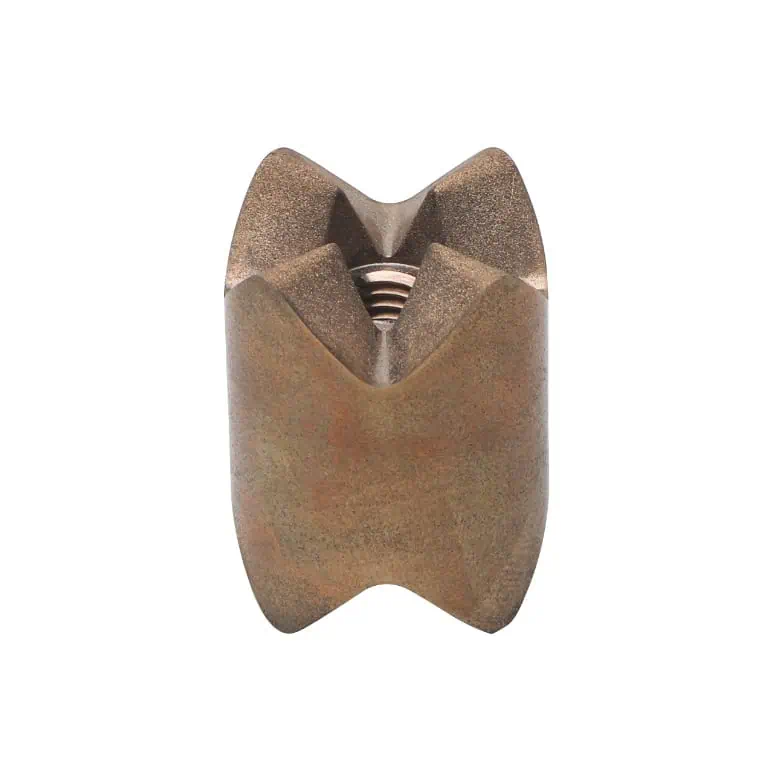
Casting
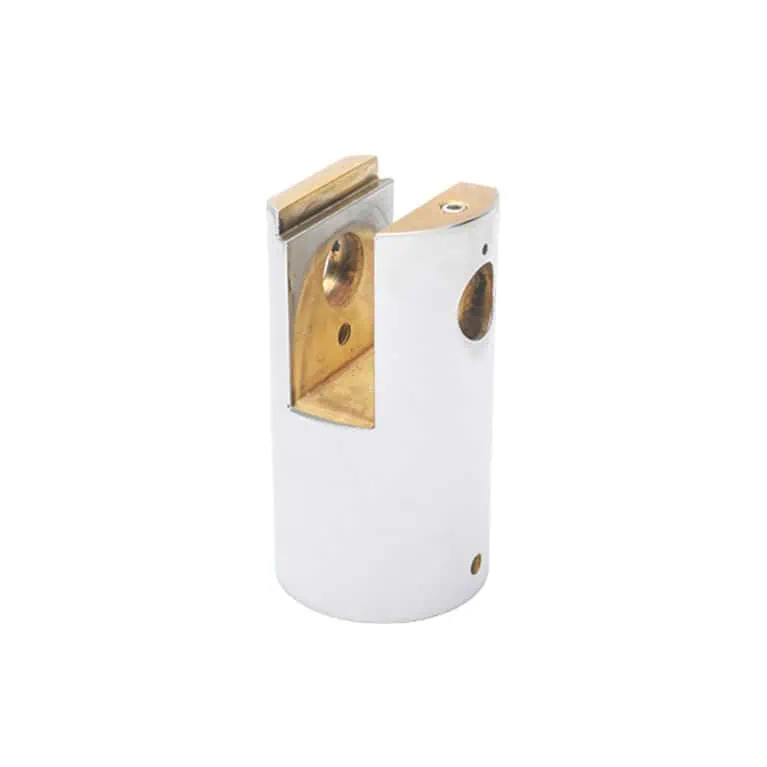
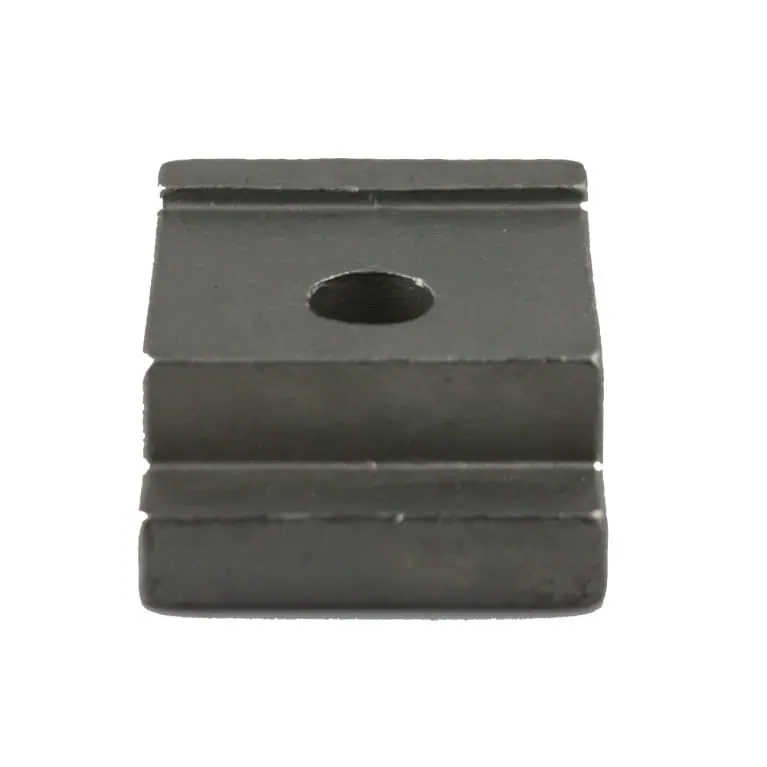
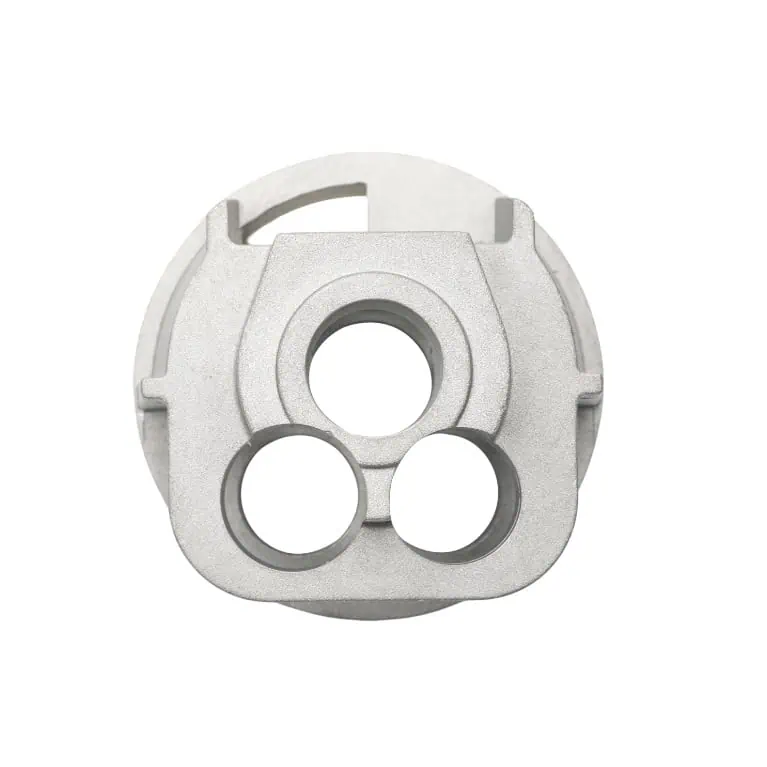
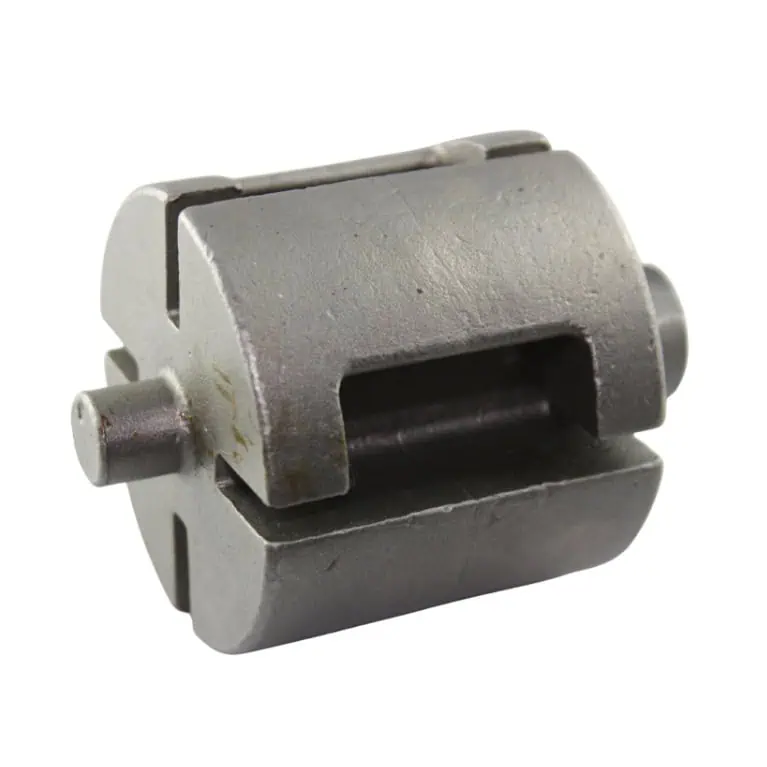
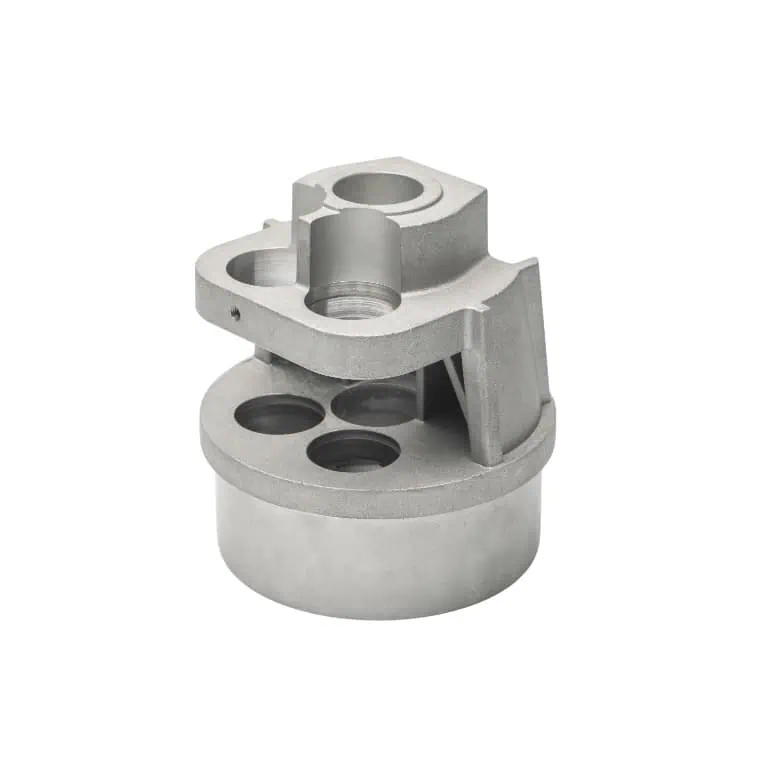
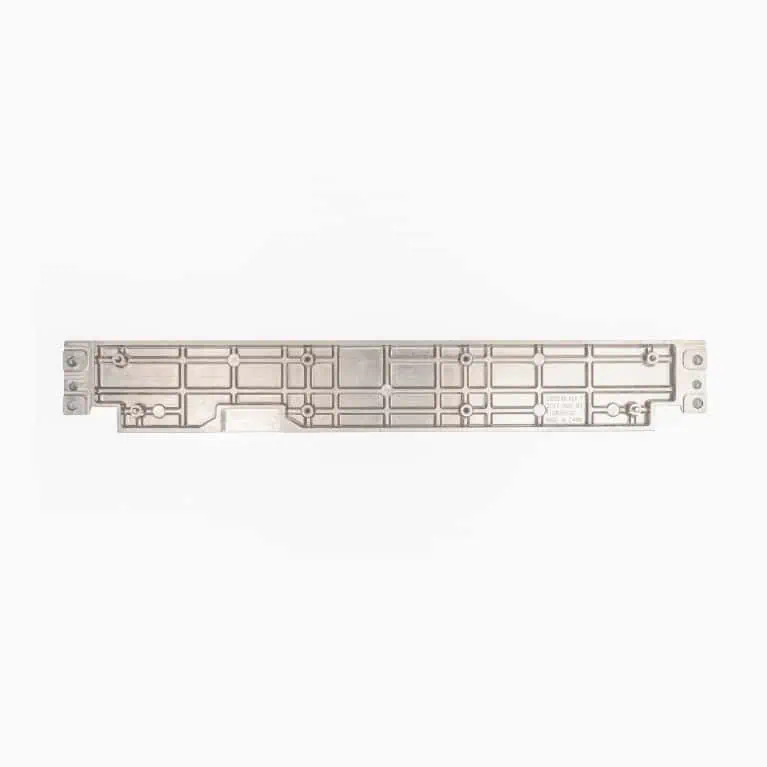
We select the best casting technique for your part, based on geometry, series size, and other requirements.
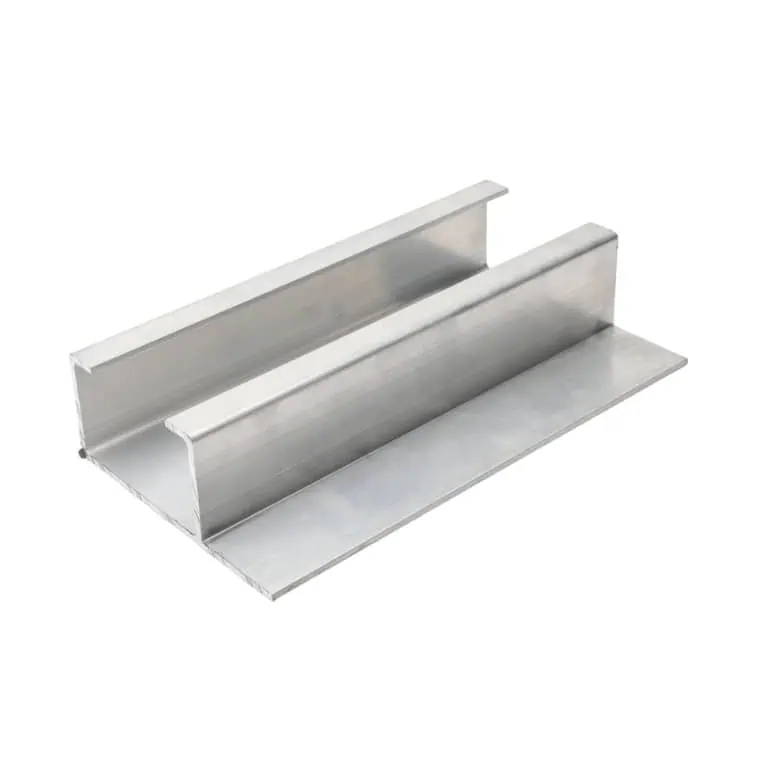
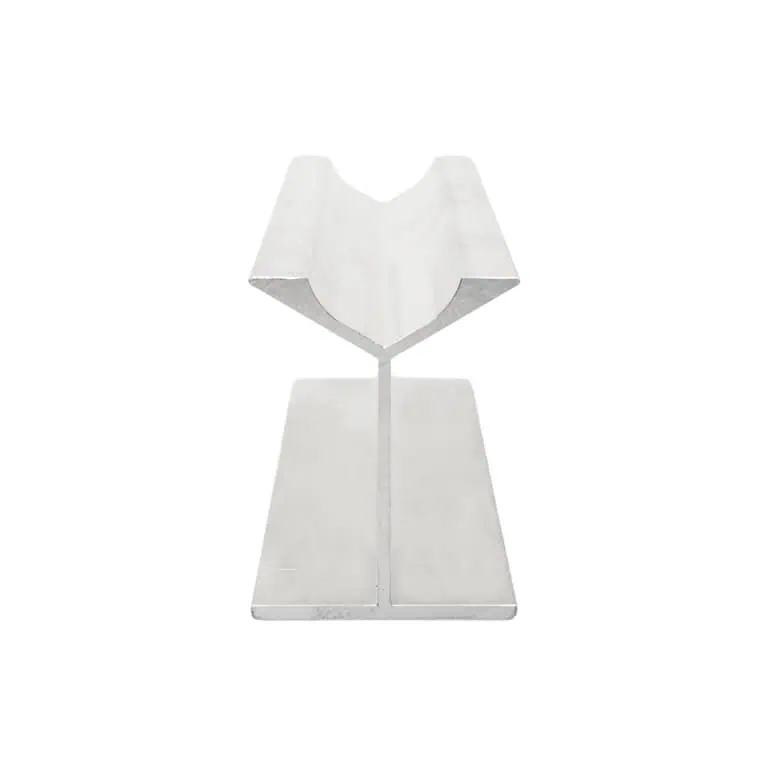
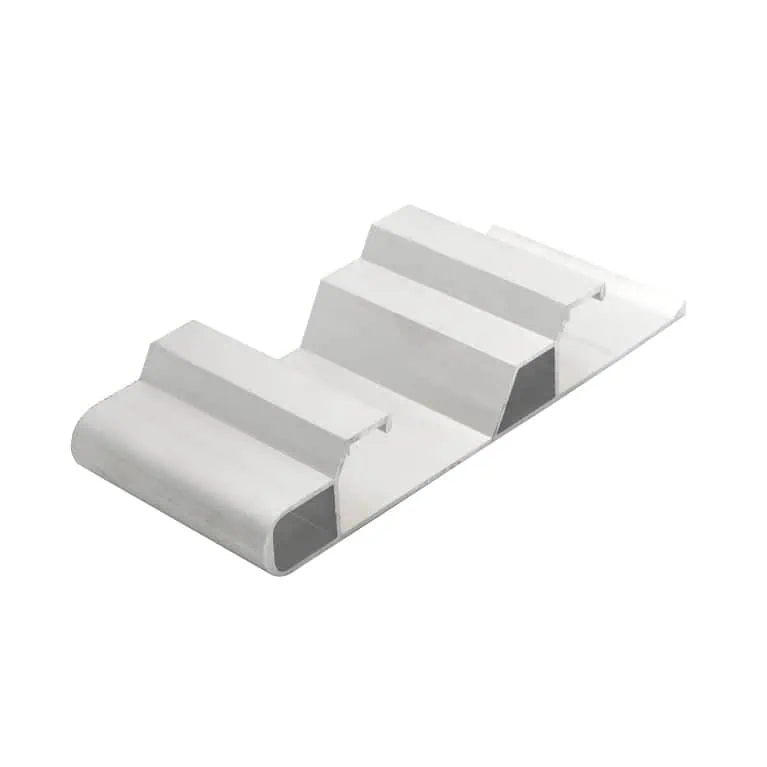
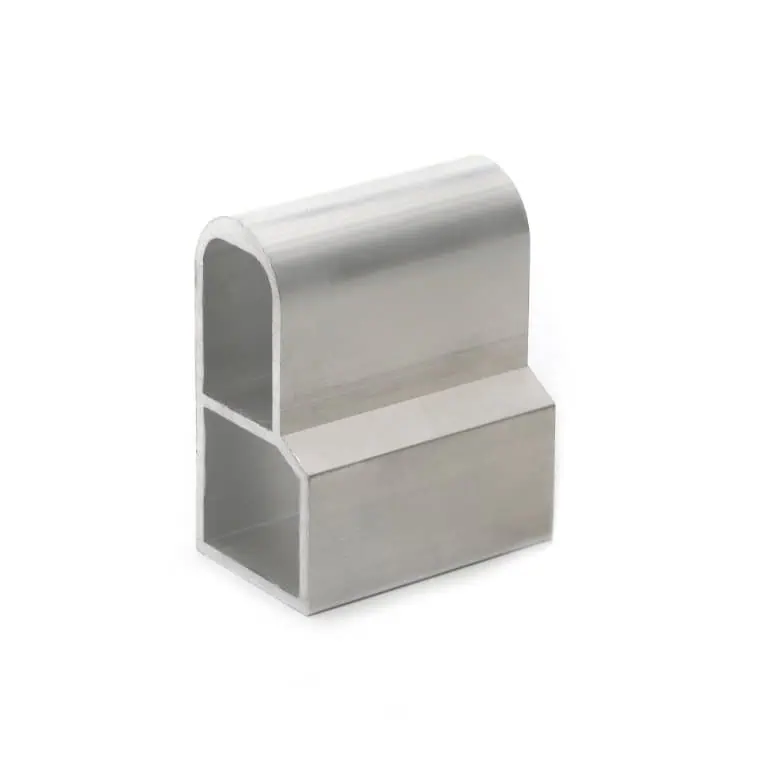
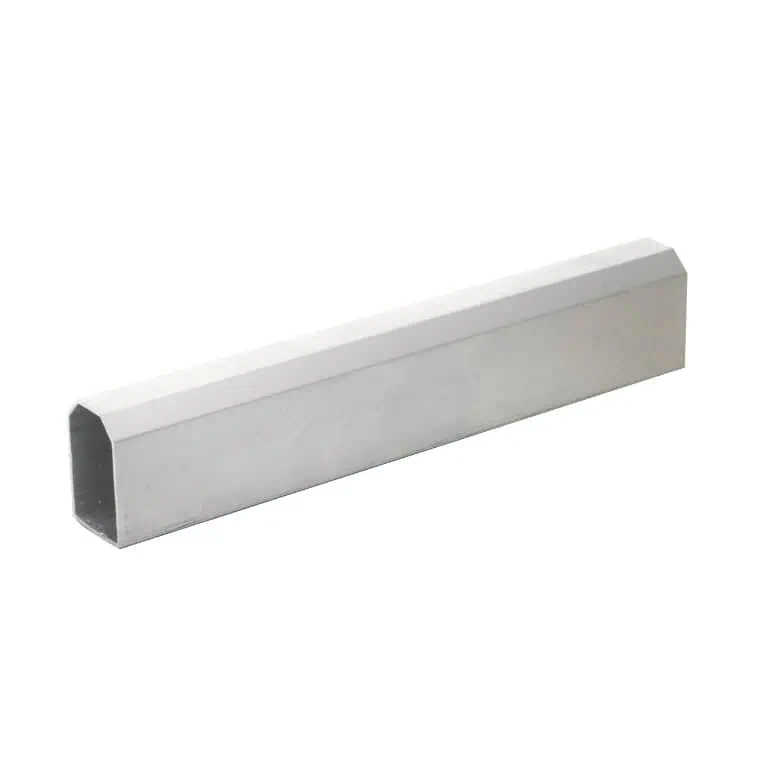
Aluminum extrusion
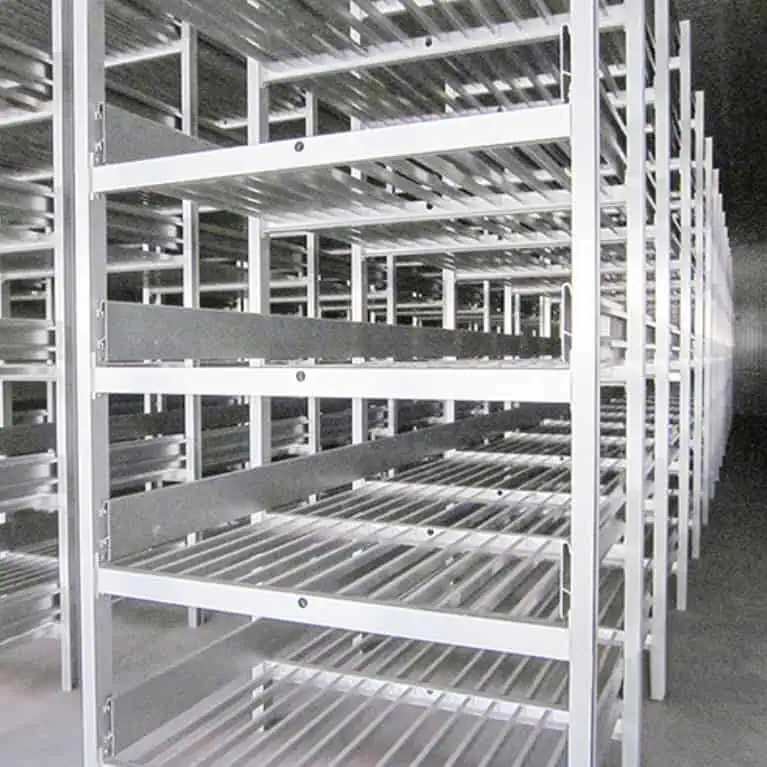
Cut to length, CNC machined, stamped, with the required surface treatments: delivered ready for assembly.
Injection moulding
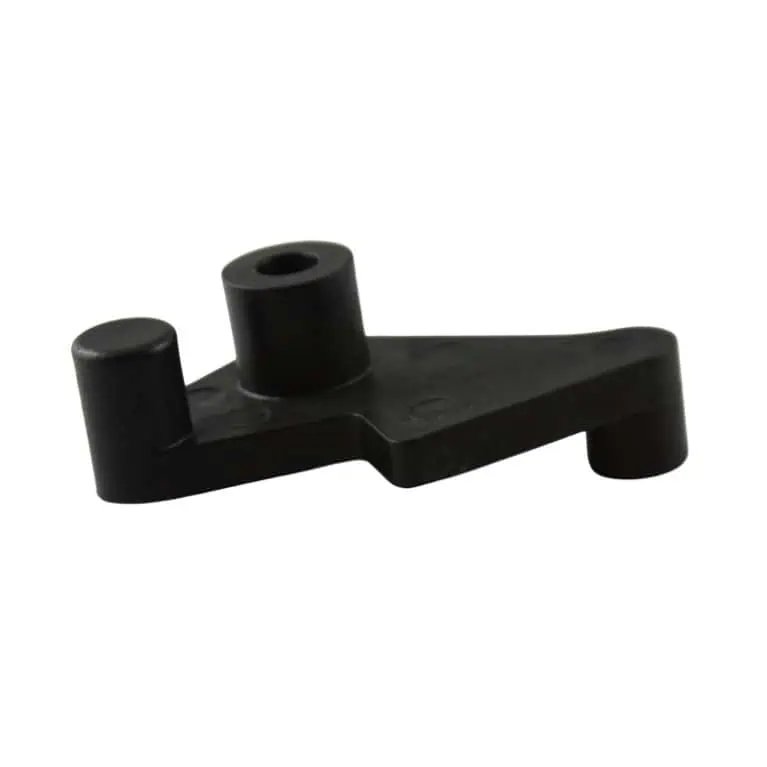
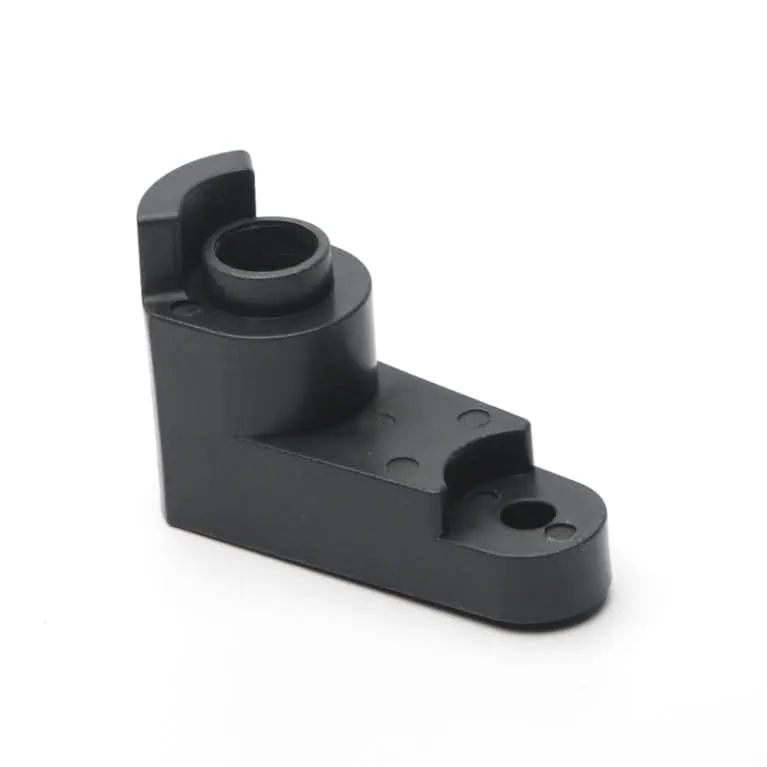
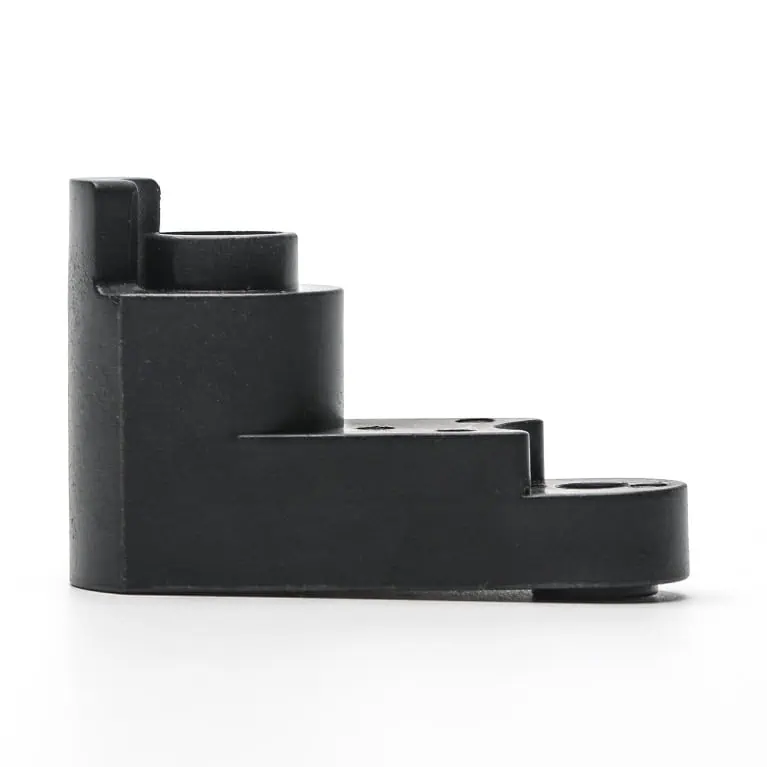
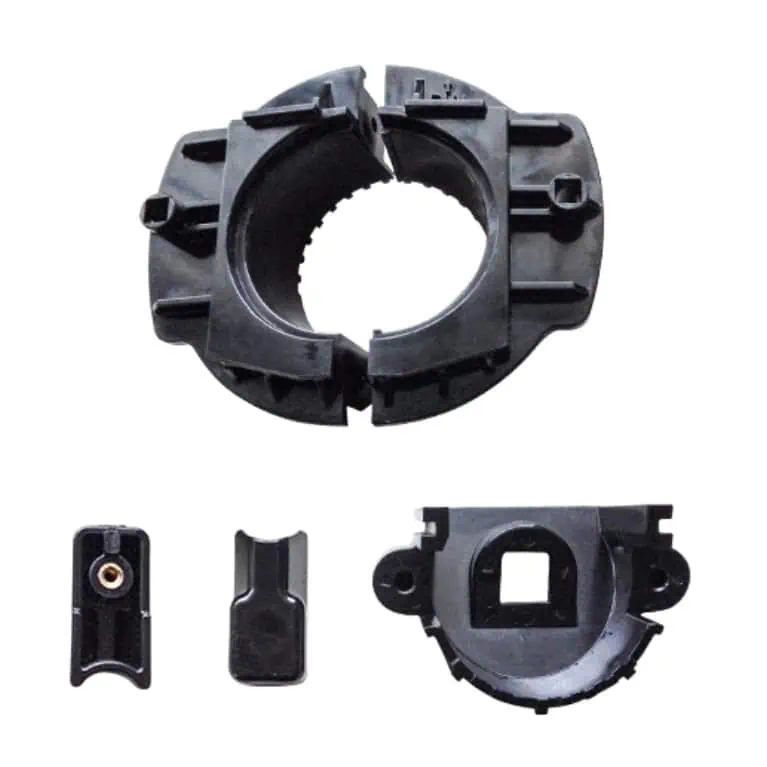
Be surprised by the costs of molds in other parts of the world. All engineering plastics are possible, including post-processing.
Sub-assemblies
Assembly of all mechanical products, optionally with cabling and labeling according to your BOM and work instructions. Ready for your production line or sale, including functional testing and/or packaging.
Replacement parts
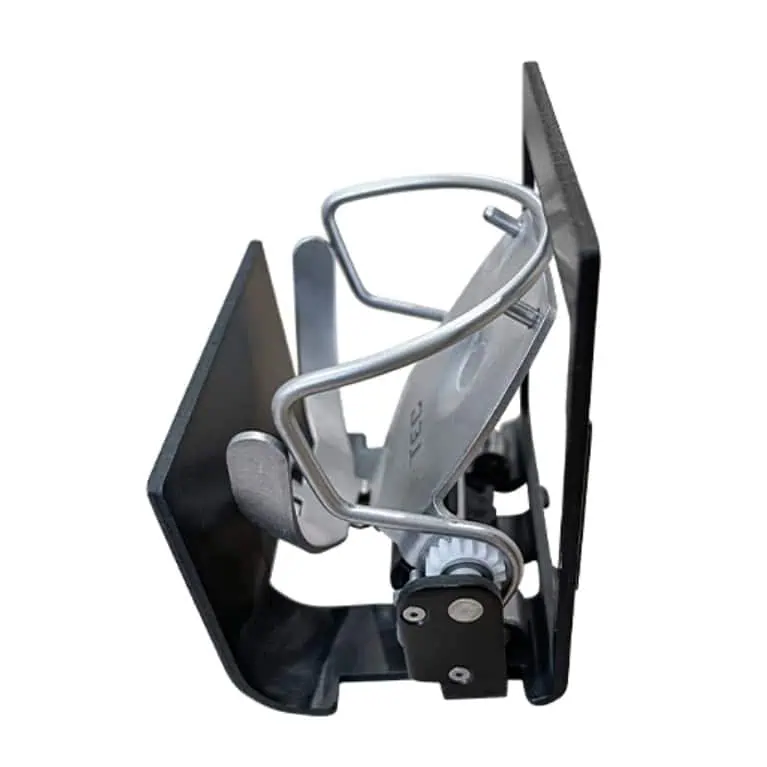
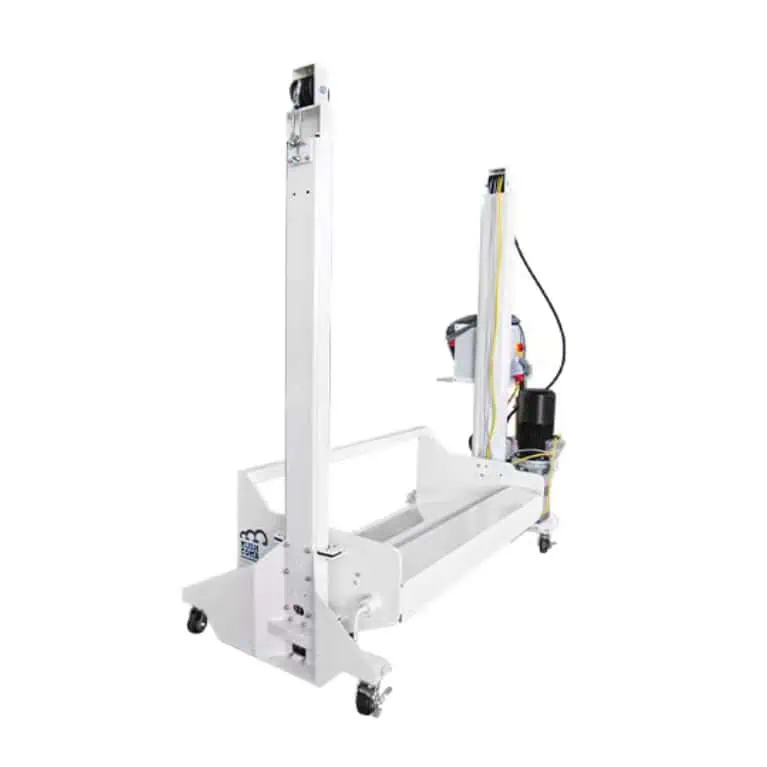
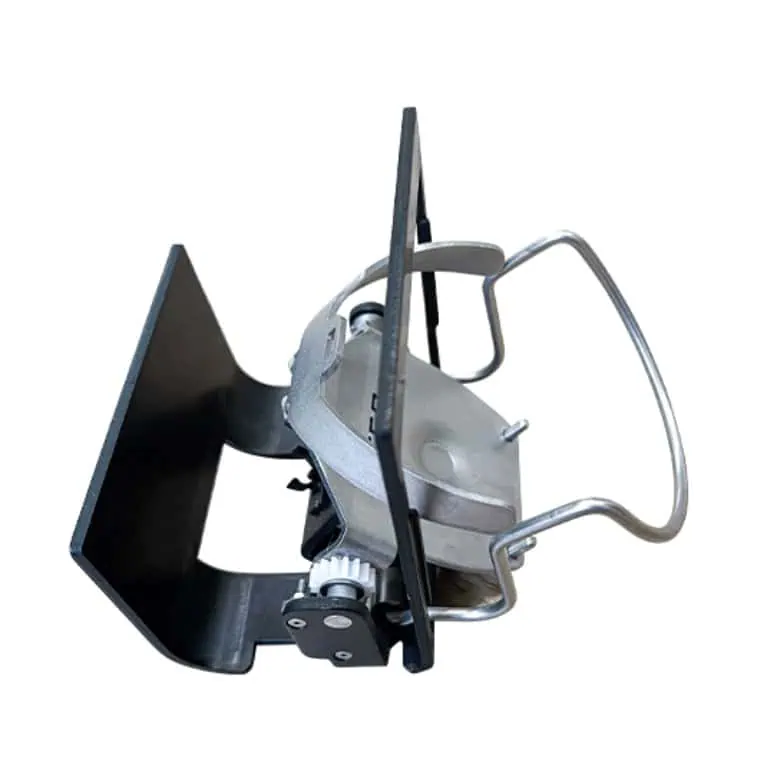
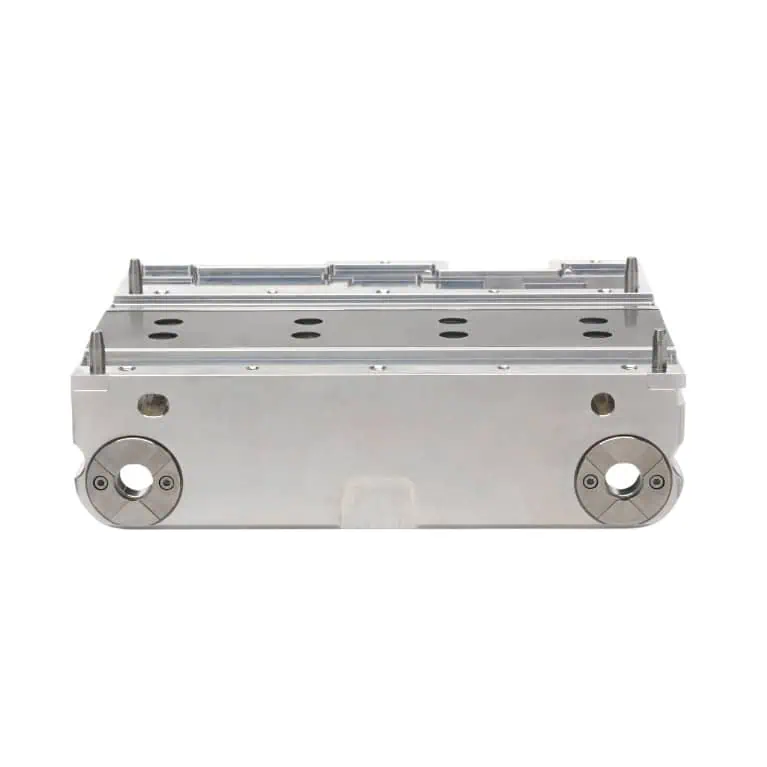
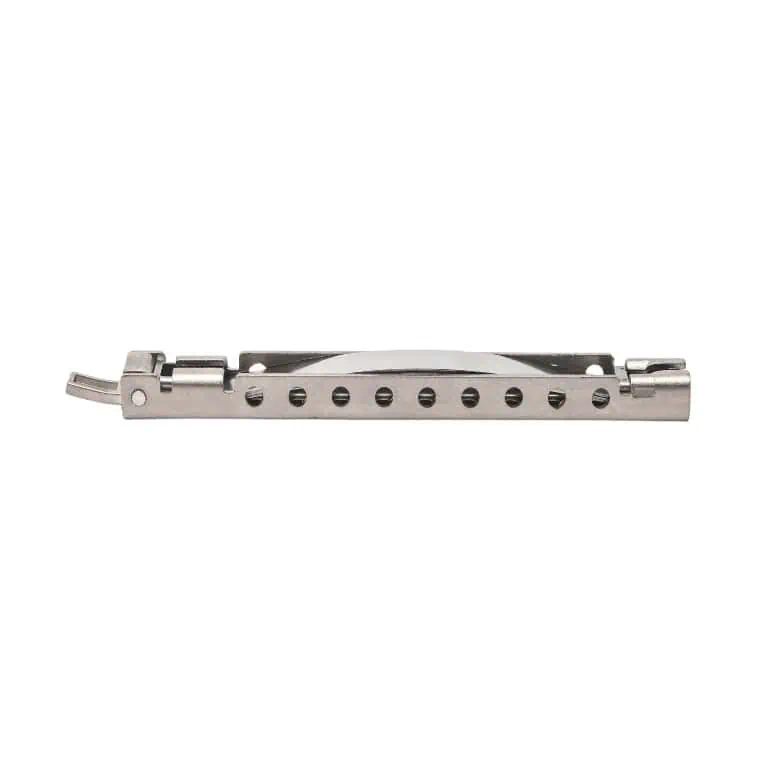
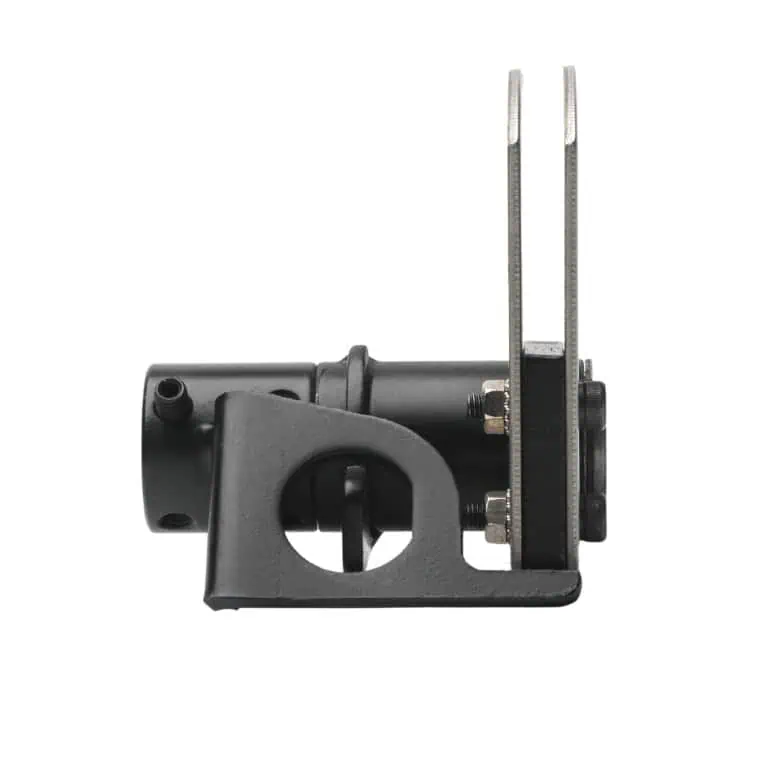
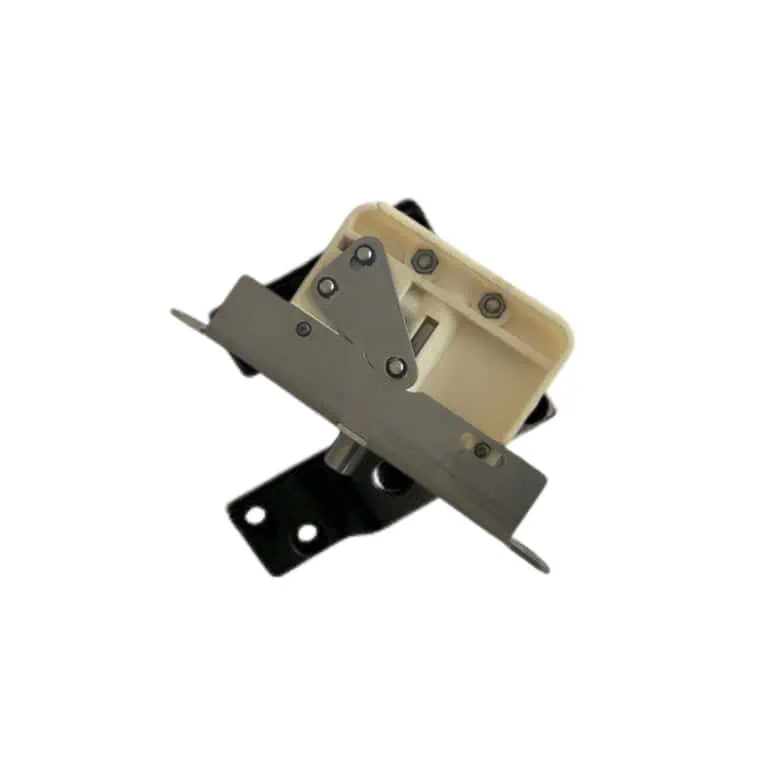
We develop form/fit/function equivalents for your replacement parts. Whether the reason is that the original has become obsolete or due to cost considerations. 3D measurements determine critical dimensions, not approximations.